L’Shanah Tovah
The Jewish New Year — the day G-d created Adam and Eve, celebrated as the head of the year.
The Head of the Year
Rosh Hashanah marks the first and second days of the Jewish year. It is the day G-d created Adam and Eve, and it is celebrated as the head of the Jewish year — the beginning of the Days of Awe that lead into Yom Kippur.
Rosh Hashanah Is Celebrated With
The Shofar
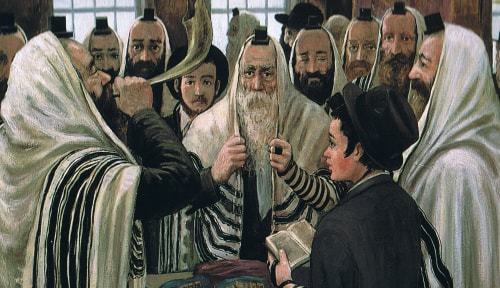
Hearing the sounding of the ram’s horn on both mornings (except when the first day falls on Shabbat).
Candle Lighting
Lighting candles each evening to usher in the holiday and its festive spirit.
Festive Meals
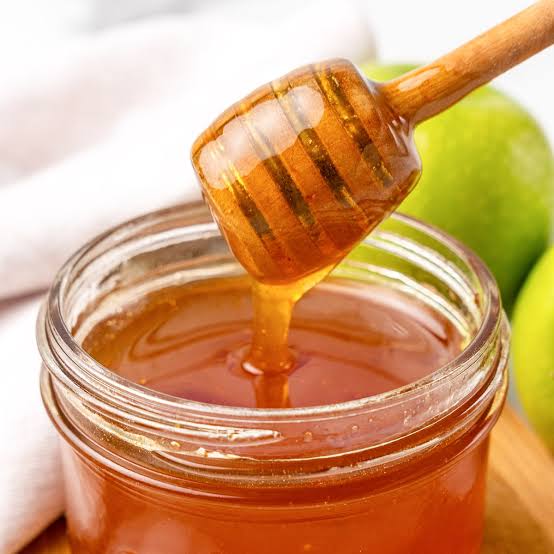
Eating sweet delicacies during the night and day, including Kiddush over wine, round raisin challah dipped in honey, and apples dipped in honey.
Tashlich
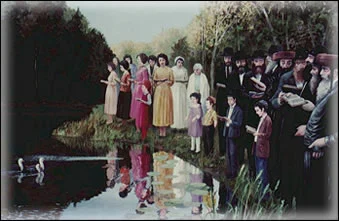
A brief prayer said at a body of fresh water, symbolically casting away our shortcomings.
Synagogue
Attending services in synagogue, with the prayers of the High Holidays.
Rest
Desisting from creative work, as on all Yom Tov (festival) days.
The Shofar-Blowing
The central observance of Rosh Hashanah is hearing the sounding of the shofar, the ram’s horn. It is a mitzvah to hear the shofar on both mornings of the holiday, except when the first day falls on Shabbat. Its piercing cry is a call to awaken the soul, to return and to begin the new year with renewed purpose.
A Sweet New Year
Festive meals during the night and day are filled with symbolic foods that express our wishes for a good and sweet year.
Kiddush
A blessing over wine or grape juice to sanctify the festival.
Round Raisin Challah
Bread dipped in honey — the round shape symbolises the cycle of the year.
Apples & Honey
On the first night, a sweet start for a sweet new year.
Pomegranate & Fish Head
Foods symbolising our wishes — to be full of mitzvot like a pomegranate, and to be “the head and not the tail.”
A New Fruit
On the second night, a new seasonal fruit with the Shehecheyanu blessing.
Tashlich
On the first afternoon of Rosh Hashanah (or the second, when the first is Shabbat), it is customary to perform Tashlich — a brief prayer recited at a body of fresh water, where we symbolically cast our shortcomings away, as we read:
וְתַשְׁלִיךְ בִּמְצֻלוֹת יָם כָּל־חַטֹּאתָם
“You will cast all their sins into the depths of the sea.” — Micah 7:19
Rosh Hashanah Greetings
לְשָׁנָה טוֹבָה תִּכָּתֵבוּ וְתֵּחָתֵּמוּ
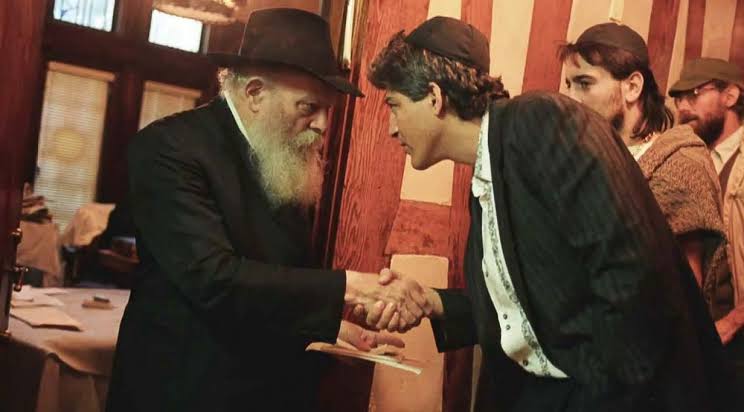
The traditional greeting — “May you be inscribed and sealed for a good year.”
שָׁנָה טוֹבָה וּמְתוּקָה
A shorter, warm wish — “a good and sweet year.”
From Rosh Hashanah to Yom Kippur
Rosh Hashanah begins the Ten Days of Repentance, which culminate in Yom Kippur, the Day of Atonement. It is a time of reflection, prayer, and returning to our truest selves — and a season to reconnect with community.